The beauty of betterment
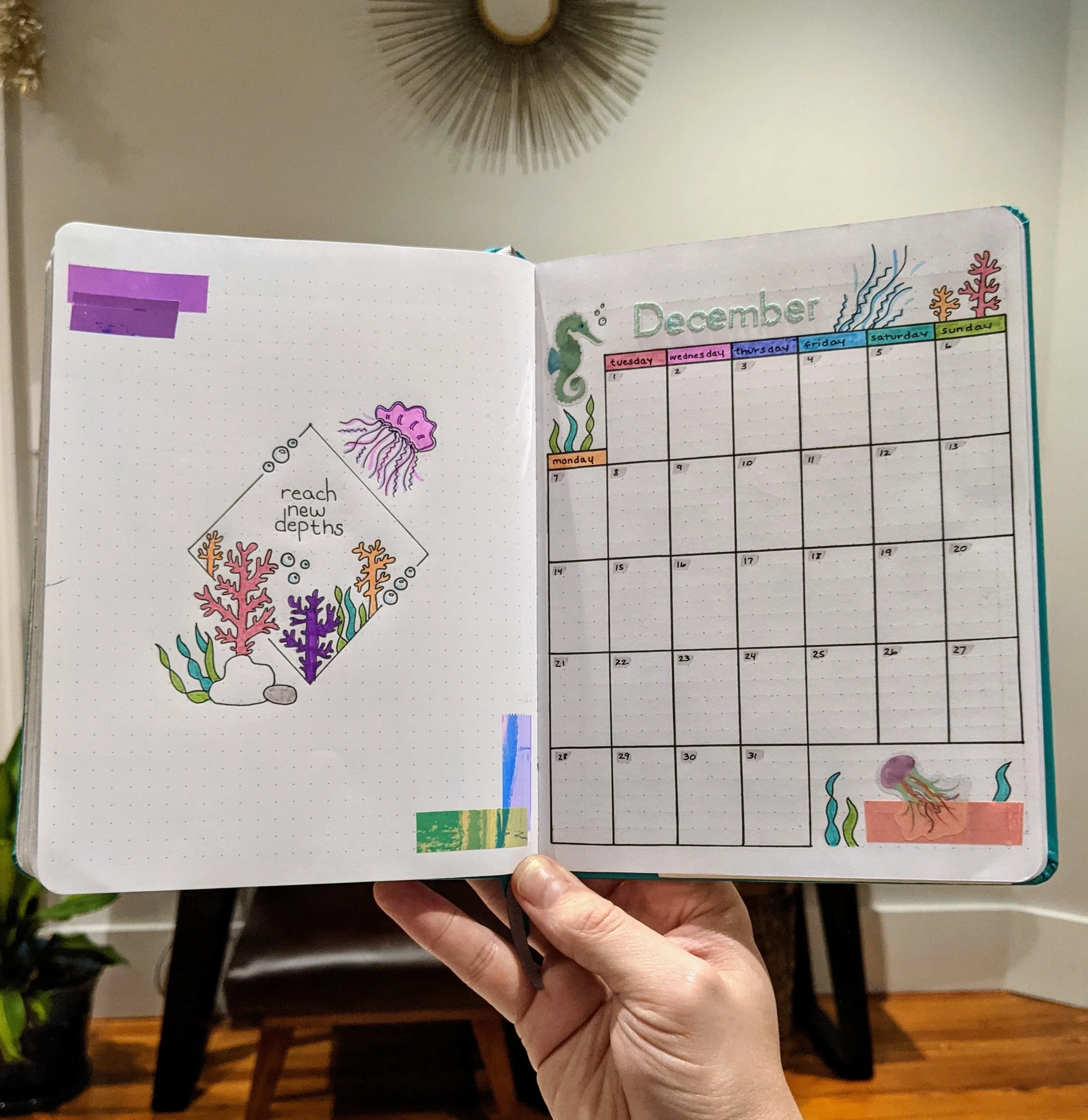
In October 2019, I started a bullet journal.
I read that it’s a perfect tool for so-called “multi-list people”, described as a landing space for all your ideas, to-dos, plans, memories, and everything in between. It sounded like a useful tool. It turned out to be a lifeline.
In November 2019, I got scammed.
It felt overwhelming – embarrassment, frustration, and the sinking feeling of realizing that something important had slipped past my better judgment. Thankfully, I’d already started to journal, so I turned to a blank page. I needed a plan, so I made a list. Calls to make. Accounts to lock. Precautions to set. Feelings I didn’t quite understand yet. My handwriting was shaky, but I kept writing. By the time I closed my journal nothing about the situation had changed yet – except me. Action replaced hopelessness. I had to do what needed to be done. And I did.
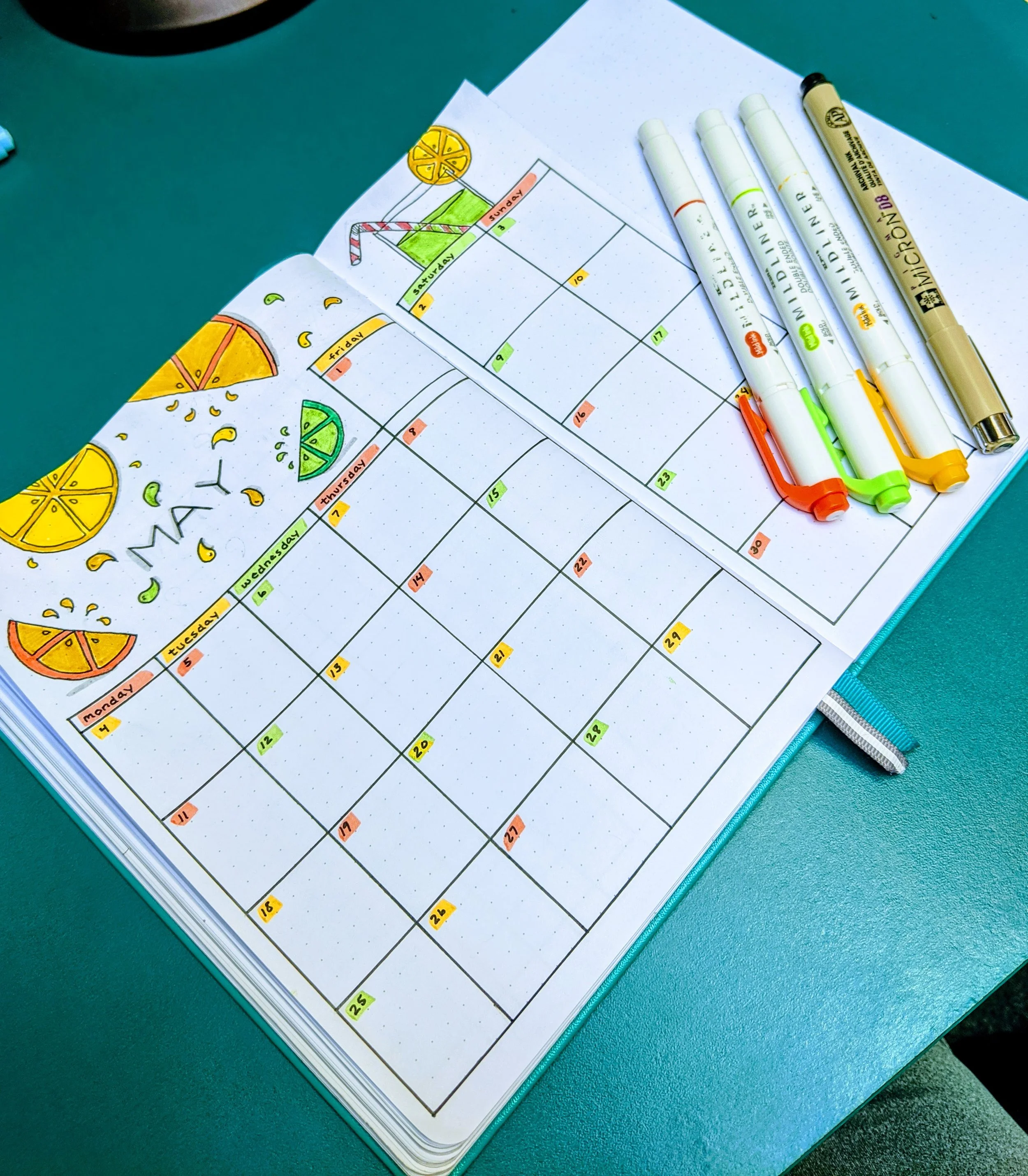
My journal wasn’t just a practical tool, it was also a creative outlet. I doodled and adorned as much as I wrote and planned – experimenting with styles and spread types, adding washi tape and scrapbook elements. It combined my love of making things with my drive to keep them in order. The left and right sides of my brain were equally satisfied.
In February 2020, I landed a new job.
Crossing that goal off my list felt deeply satisfying, not just because of achievement itself, but because I could trace the path that led there across dozens of pages – plans made, lists checked, small wins built up over time.
But in March 2020, everything changed.
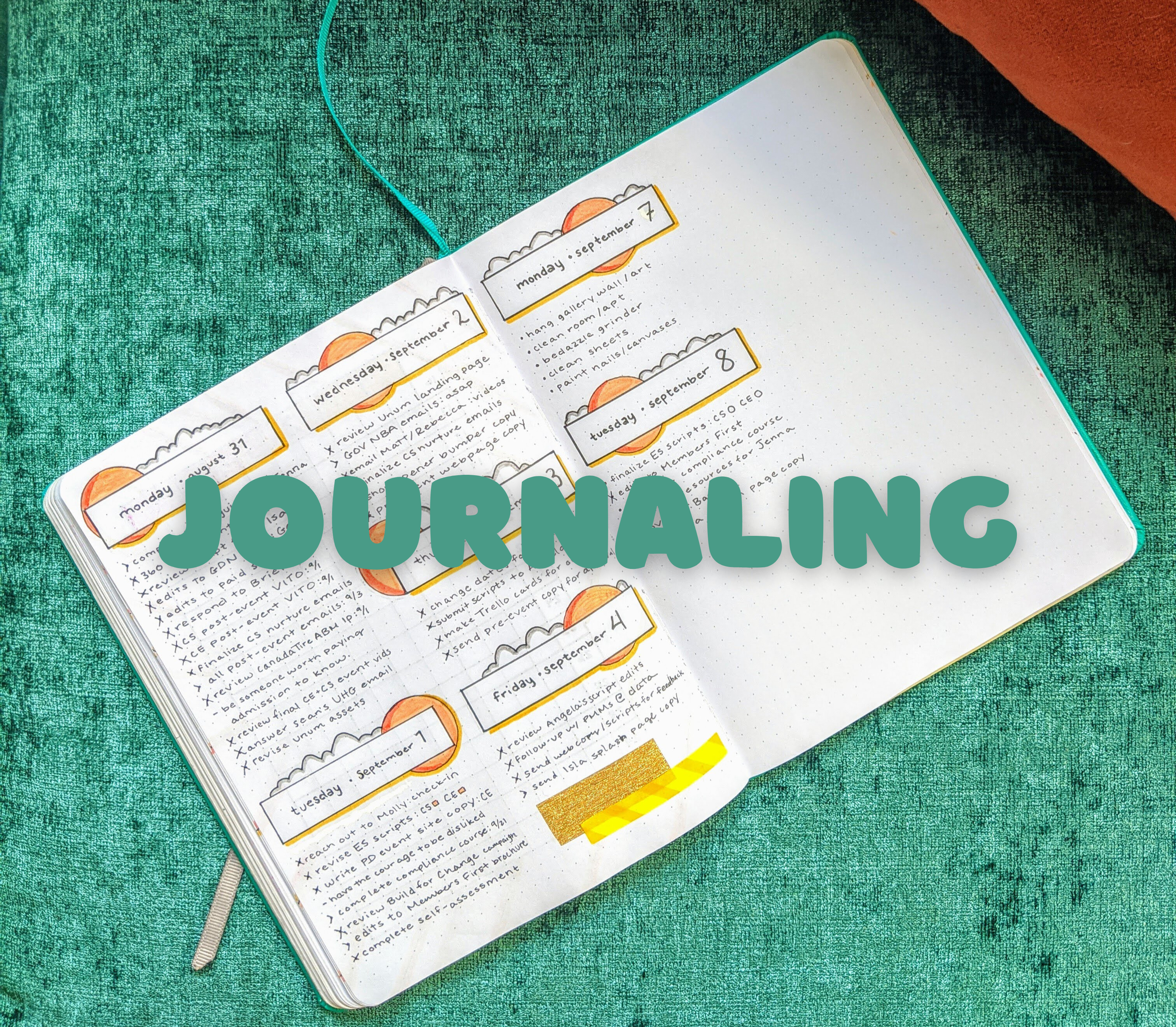
As the world slowed and uncertainty took over, my journal became my anchor. It was my daily log of the tumult and uncertainty. Each day I had a place to land, even when routines disappeared. It was my isolation diary, a space where I could rely on color and order during a time that felt devoid of both.
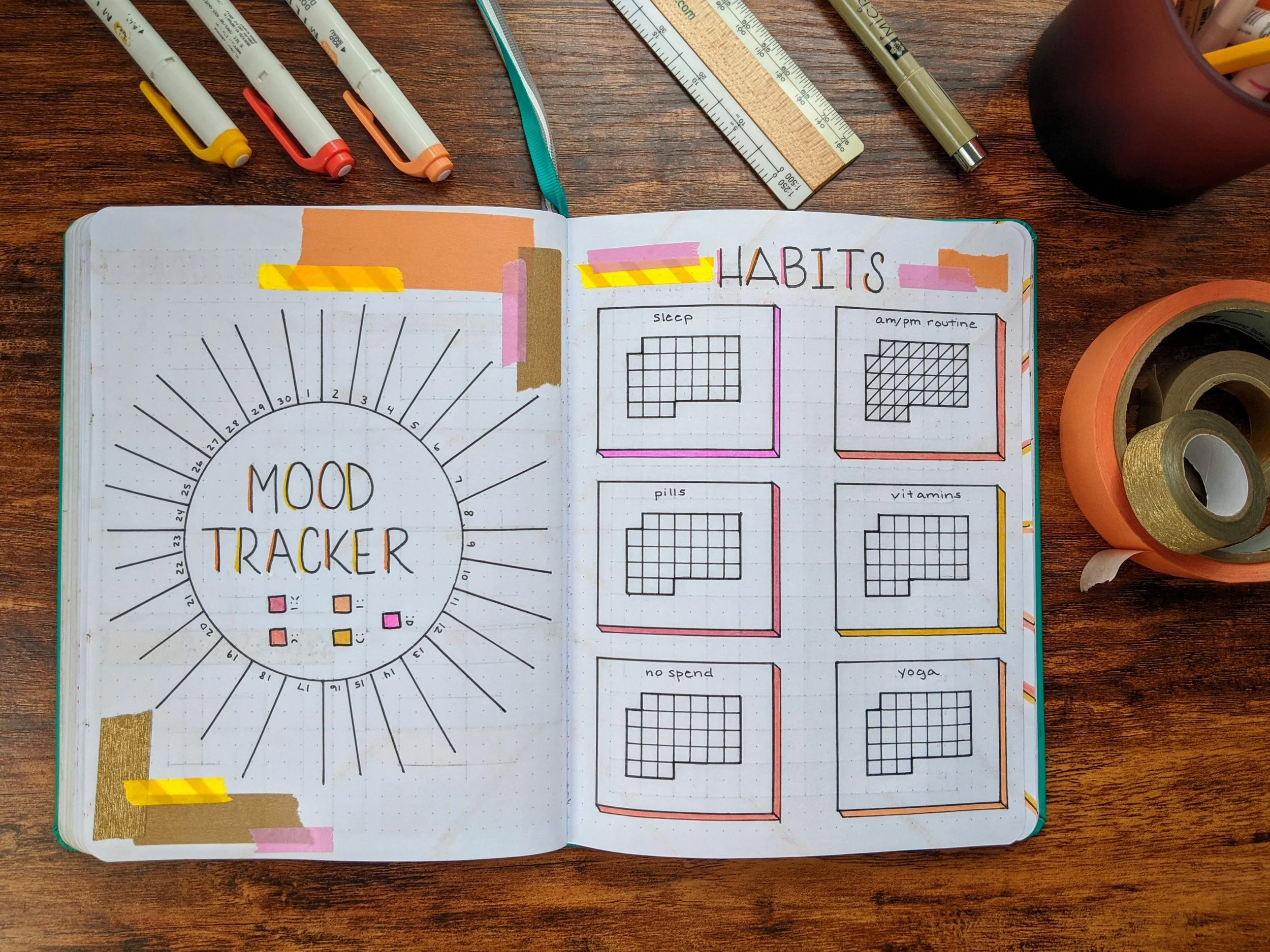
I started yoga and marked each session, slowly forming an unbroken chain. I cooked books cover-to-cover. I tracked my moods to get a sense of my self at a glance. I built routines not because I had to, but because they gave shape to days that otherwise blurred together. Page by page, consistency turned into momentum, which I could feel improving both my physical and mental health.
Looking back, I realize I wasn’t just documenting my life – I was actively rebuilding it.
By the time lockdown lifted, I felt (and looked) different. Stronger. More grounded. More intentional. I had faced one of the most uncertain times of my life – starting months before the rest of the world – with self-imposed structure, creativity, and reflection guiding me forward. Committing to journaling helped me shape a better version of myself, the me I needed myself to become, after learning firsthand what my lowest moments could feel like.
And I still keep a journal to this day – even though I don’t have as much “free” time to commit to making it as thorough as I once did. And that’s ok, because it means I get to live more of my life off the page these days.